Category: Uncategorized

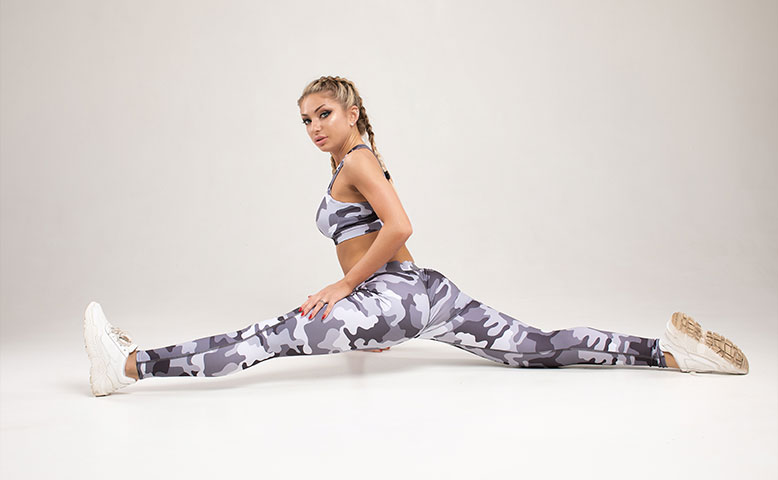
  • Woman in Camo Activewear Doing Splits on White Background

    How to Layer Activewear for Every Season Without Losing Comfort

    You want to stay comfy, dry, and ready to move—no matter if it’s July heat or January chill. So how do you layer activewear for every season without feeling bulky, sweaty, or cold?

    Quick answer:

    • Start with a sweat-wicking base.
    • Add a temperature-tuning mid layer.
    • Use a weather shield on top.
    • Adjust with lightweight accessories.
    • Choose fabrics that match the forecast.

    In this guide, I’ll break down each layer, which fabrics to pick, how to tweak for spring, summer, fall, and winter, and the small add-ons that make a big difference. I’ll also share a quick table you can save, plus pro tips and warnings you can trust.

    Layering Basics For Comfortable Women’s Activewear

    Layering is about managing sweat, heat, and weather. Think in three steps:

    1. Base
    2. Mid
    3. Shell

    Your base handles sweat. Your mid handles warmth. Your shell handles wind and rain.

    1. The base layer — stay dry first

    Your base should pull sweat off your skin so you don’t chill or overheat.

    Choose: lightweight synthetics (polyester blends) or merino wool for odor control.

    Avoid: cotton—it soaks sweat and stays wet.

    Quick Tip: If you run hot, pick ultra-light mesh or perforated knits for the base.

    • The mid layer — add or remove warmth

    Your mid-layer traps heat. Make it easy to put on or peel off.

    Choose: grid fleece, light fleece, or an active insulated vest/jacket.

    Summer note: skip the mid layer unless you start early in cool temps.

    • The shell — block wind and water

    Your shell stops cold air and rain from stealing heat.

    Choose: windbreaker for dry days, waterproof-breathable jacket for wet days.

    Stretch panels help vent sweat when you’re pushing hard.

    Suggestion: Front-zip shells give fast venting. Half-zips are lighter but trap more heat.

    Seasonal Guide To Layering Women’s Workout Clothes

    The framework stays the same. You just adjust fabric weight and add small extras.

    1. Spring (variable and breezy)

    What to wear

    • Base: light synthetic or merino tee/long sleeve.
    • Mid: thin fleece or active vest if mornings are cool.
    • Shell: windbreaker for gusts or light rain.

    Accessories

    • Light gloves, thin headband, ankle-length socks.

    Warning: Spring brings surprise rain. Pack a pocketable shell so you don’t end your session soaked.

    • Summer (heat and sun)

    What to wear

    • Base: ultra-light, UPF-rated tee or tank.
    • Mid: usually none.
    • Shell: only if it’s windy at elevation or on a bike.

    Fact: Sun-protective clothing with UPF ratings can cut UV exposure. See guidance from the Skin Cancer Foundation.

    • Fall (cool mornings, warm afternoons)

    What to wear

    • Base: short or long sleeve synthetic or merino.
    • Mid: light fleece or thin insulated vest for early starts.
    • Shell: windbreaker for chilly rides or runs.

    Quick Tip: Try “arm warmers” or a thin gaiter. They stash small and solve big temperature swings.

    • Winter (cold, wind, and wet)

    What to wear

    • Base: long-sleeve merino or mid-weight synthetic.
    • Mid: grid fleece or active insulated jacket.
    • Shell: windproof or waterproof shell, depending on the forecast.
    • Accessories:Thermal beanie or ear band, thermal gloves, wool socks, and a neck gaiter.

    Quick Season-By-Season Reference

    SeasonBaseMidShellGo-to Accessories
    SpringLight synthetic/merinoThin fleece/vestWindbreakerLight gloves, headband
    SummerUltra-light UPFNone (usually)Light wind layer (maybe)Cap, sunglasses, sweatbands
    FallLight–mid synthetic/merinoLight fleece/vestWindbreakerArm warmers, gaiter
    WinterMid-weight merino/syntheticGrid fleece/active insulationWind/water shellThermal beanie, gloves, wool socks

    Fit and Fabric Tips that Prevent Discomfort

    Fit rules you can trust

    • Base should be close to skin (not tight).
    • Mid should allow airflow without flapping.
    • Shell should fit over both layers without bunching.

    Quick Tip: Do jumping jacks in the store. If a layer rides up or pinches, the size or fabric is off.

    Fabric choices that keep you comfy

    • Synthetics: best for fast dry times.
    • Merino: great for odor and steady comfort.
    • Blends: a balance of both for all-day wear.

    Suggestion: If you can only buy one base, pick a light merino-synthetic blend. It works year-round.

    Dialing venting on the go

    Use zippers and adjustable hems to dump heat fast.

    • Open chest zips on climbs.
    • Loosen cuffs and hem for airflow.
    • Remove the mid layer before you’re drenched.

    A small packable shell (3–6 oz) is often enough to stop wind without trapping too much heat. See layering basics from REI Expert Advice.

    Conclusion

    Layering for comfort is simple: wick sweat with a good base, add or remove a warm mid, and seal weather with a shell. Adjust weight and accessories by season, and use vents before you’re sweaty or chilled.

    If you need reliable, easy-to-mix pieces, check out CG Activewear for breathable bases, flexible mids, and lightweight shells that cover all four seasons.
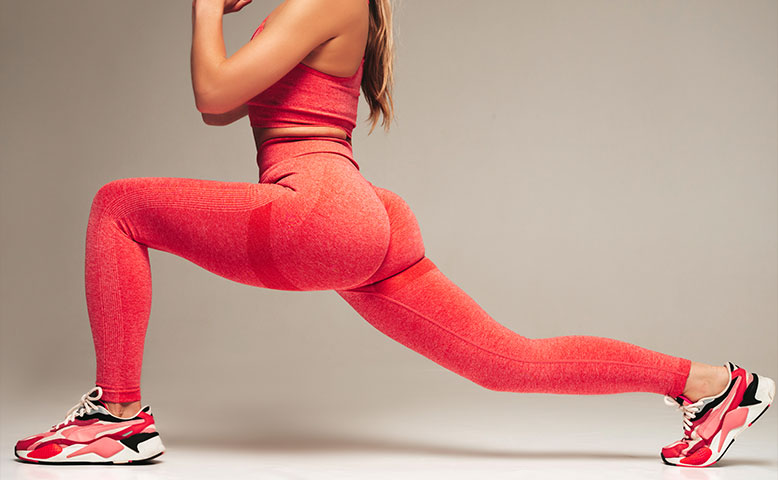
  • Woman in Red Workout Set Lunging in Studio Wearing Sneakers

    The Difference Between Compression and Support: Finding What You Need

    You’re shopping for activewear or gear and keep seeing two words: compression and support. They sound similar, but they do different jobs. If you’re stuck choosing, this guide will make it clear and simple.

    • Compression gently squeezes to improve blood flow and reduce swelling.
    • Support holds things in place to limit movement and reduce strain.
    • Use compression for recovery, long days on your feet, or mild aches.
    • Use support for high-impact movement or weak joints.
    • Some items blend both for the best of each.

    Below is the breakdown of how each works, when to use them, how to pick the right level, and mistakes to avoid. You’ll also get a quick table and simple tips you can use today.

    Compression Vs Support In Women’s Workout Sets

    Compression products (like compression socks or sleeves) apply even pressure around a body part. This can help blood flow, reduce swelling, and may lower soreness after activity.

    Support products (like sports bras, knee braces, or ankle supports) limit motion and add structure. They steady the area so it doesn’t move too much, which can prevent pain or re-injury.

    Fact: Medical groups note that compression can help with swelling and venous issues.

    How Compression Works (And When To Use It)

    Compression is about a gentle squeeze. It nudges blood back toward your heart and limits fluid buildup.

    Use compression when:

    • You’re recovering after a run or workout.
    • You sit or stand for long hours.
    • You get mild swelling on flights or during travel.

    Quick Tip: If it leaves deep marks, tingles, or feels numb, it’s probably too tight.

    How Support Works (And When To Use It)

    Support gear adds structure. It holds tissue or joints so they don’t bounce or twist too far.

    Use support when:

    • You do high-impact workouts (jumping, sprinting).
    • You have an area that feels unstable (knee, ankle, lower back).
    • You want less motion for comfort (e.g., breast support during runs).

    Quick Comparison Table

    Feature/GoalCompressionSupport
    Main jobImprove blood flow; reduce swellingLimit motion; add stability
    Typical feelSnug, even squeezeFirm, structured, “held”
    Best forRecovery, travel, mild achesHigh impact, joint weakness, bounce control
    Common examplesSocks, calf sleeves, tightsSports bras, knee/ankle supports, belts
    Risk if misusedToo tight = numbness or tinglingToo loose = poor control; too stiff = strain

    Choosing the Right Compression Level

    For socks and sleeves, you’ll see mmHg (pressure level).

    • Light (8–15 mmHg): daily comfort, travel.
    • Moderate (15–20 mmHg): general recovery, standing all day.
    • Medical (20–30+ mmHg): only if a clinician says so.

    Warning: If you have poor circulation, nerve issues, diabetes complications, or skin problems, talk to a clinician before using tight compression.

    Choosing the Right Support Level

    Support ranges from soft to very firm.

    • Light support: walking, yoga, daily wear.
    • Medium support: gym work, moderate runs.
    • High support: sprints, HIIT, larger cup sizes, unstable joints.

    Suggestion: Try a small jump test. If you feel bounce or wobble, step up one support level.

    Can Compression and Support Activewear Be Combined?

    Yes. Some leggings, sleeves, and bras blend both. You may want compression for recovery days and support for hard workouts. Many people rotate based on the plan for the day.

    Simple rule:

    • Choose compression for circulation and recovery.
    • Choose support for control and stability.
    • Choose hybrids when you want both.

    Common Mistakes to Avoid

    • Buying too tight: more squeeze isn’t always better.
    • Using support when you needed compression (or vice versa): match the job to the gear.
    • Skipping fit checks: move, squat, jump, and breathe test.
    • Ignoring skin signals: redness, numbness, or cold feet are red flags.

    Danger: Stop using any item that causes pain, numbness, or color changes in your skin. If symptoms continue, see a healthcare professional.

    Conclusion

    Compression and support are not the same. Compression helps circulation and swelling. Support limits motion and adds control. Use the guide above to pick what matches your goal, and you’ll feel better during and after the activity.

    If you’re shopping, check out CG Activewear for options that clearly state whether they offer compression, support, or both.

    Frequently Asked Questions

    Can compression make me stronger or faster?

    No. It doesn’t boost strength. It may help you feel better sooner after workouts by reducing swelling and soreness.

    How tight should compression feel?

    Snug, never painful. You should move freely and not feel tingling or numbness.

    Do I need high support for walking?

    Usually not. Light to medium support is fine for walking and daily wear.

    Can I sleep in compression?

    Light levels are usually fine for short naps, but ask a clinician before wearing medical-grade compression to bed.

Call at CG Activewear